How to choose the right multi-tool
A multi-tool is a handy add to a starter tool set, and safety habits for it match every other power tool. Read power tool safety basics before the first cut.
Blade interface and accessory compatibility
Some multi-tools take blades from many makers; others use a maker's own system. Check the Blade interface column before you buy accessories, and read the maker's compatibility list. If you already own blades, check that the new tool accepts them. Blades can cost more than you expect, so confirm the fit first.
Oscillation speed and angle
Oscillations per minute is how often the blade moves, and the angle is how far it swings. Check the OPM and Oscillation angle columns, and compare tools by the same measure. For small repair jobs, a variable speed dial matters more than the top number. Look for a variable speed control, because small repair jobs rarely need the top setting.
Vibration control
These tools vibrate by design. Some models add dampening in the handle or a soft grip to reduce how much reaches your hand. The listing may say so, but it rarely gives a measurement, so take it as a design claim. Follow the manual for how to hold the tool.
Tool-free blade change
Tool-free systems use a lever or a clamp, so you do not hunt for a wrench. Check the Tool-free change column. Whatever the system, remove the battery or unplug the tool before you change the blade (OSHA 3080).
Corded or cordless
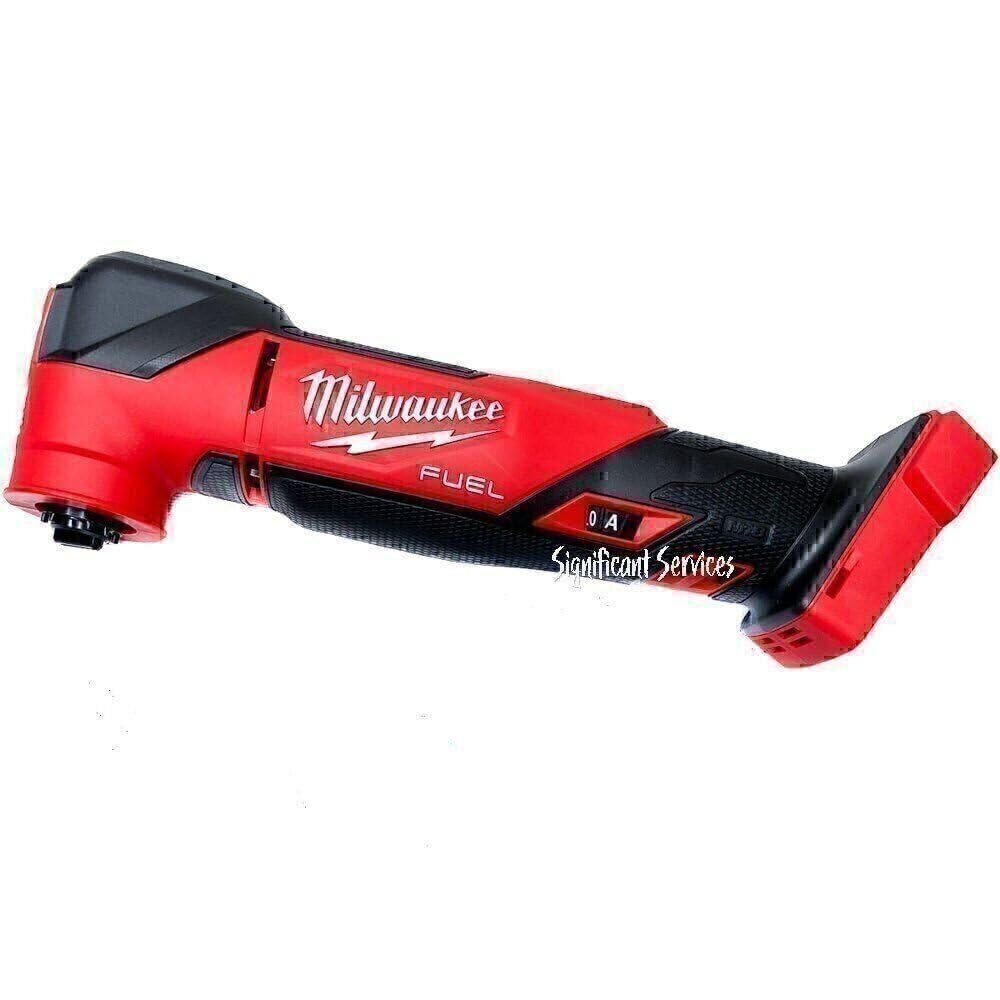
A corded tool suits long sanding or grout jobs. A cordless tool suits quick repairs in attics, crawl spaces and ladders. If you already own a battery platform, a bare-tool purchase may cost less. See our guide to choosing a cordless drill for how the platform idea works. If you work in tight places such as an attic or on a ladder, think about whether a cord or a battery gets in your way more.
Included accessories
Check the Accessories included column, but count useful pieces, not total pieces. A few good blades for wood, metal and sanding beat a big bag of sandpaper. Check that a case is included, and make sure the blades match the jobs you have in mind, such as flush cuts or grout. If you plan to remove grout, make sure a grout blade is in the box or sold for your interface.